Irish Wolfhound Dog Breeds: Complete Guide to History, Temperament, Size, Health and Care
When exploring the world’s most impressive giant dog breeds, the Irish Wolfhound stands out for its extraordinary height, graceful appearance, affectionate personality, and fascinating history. Originally developed in Ireland for hunting large game, this remarkable breed has evolved into a loyal family companion known for its calm temperament and gentle nature.
The Irish Wolfhound dog breeds category is particularly interesting to dog enthusiasts looking for a combination of strength, elegance, intelligence, and companionship. Despite their imposing size, these dogs are generally friendly, patient, and affectionate with their families.
However, owning an Irish Wolfhound involves more than appreciating its impressive appearance. These giant dogs require adequate living space, proper nutrition, regular exercise, consistent training, and responsible veterinary care.
Whether you are considering welcoming an Irish Wolfhound puppy into your home or simply researching giant dog breeds, this comprehensive guide explores everything you need to know about the breed, from its origins and personality to grooming, feeding, health, and everyday care.
What Is an Irish Wolfhound?
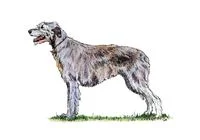
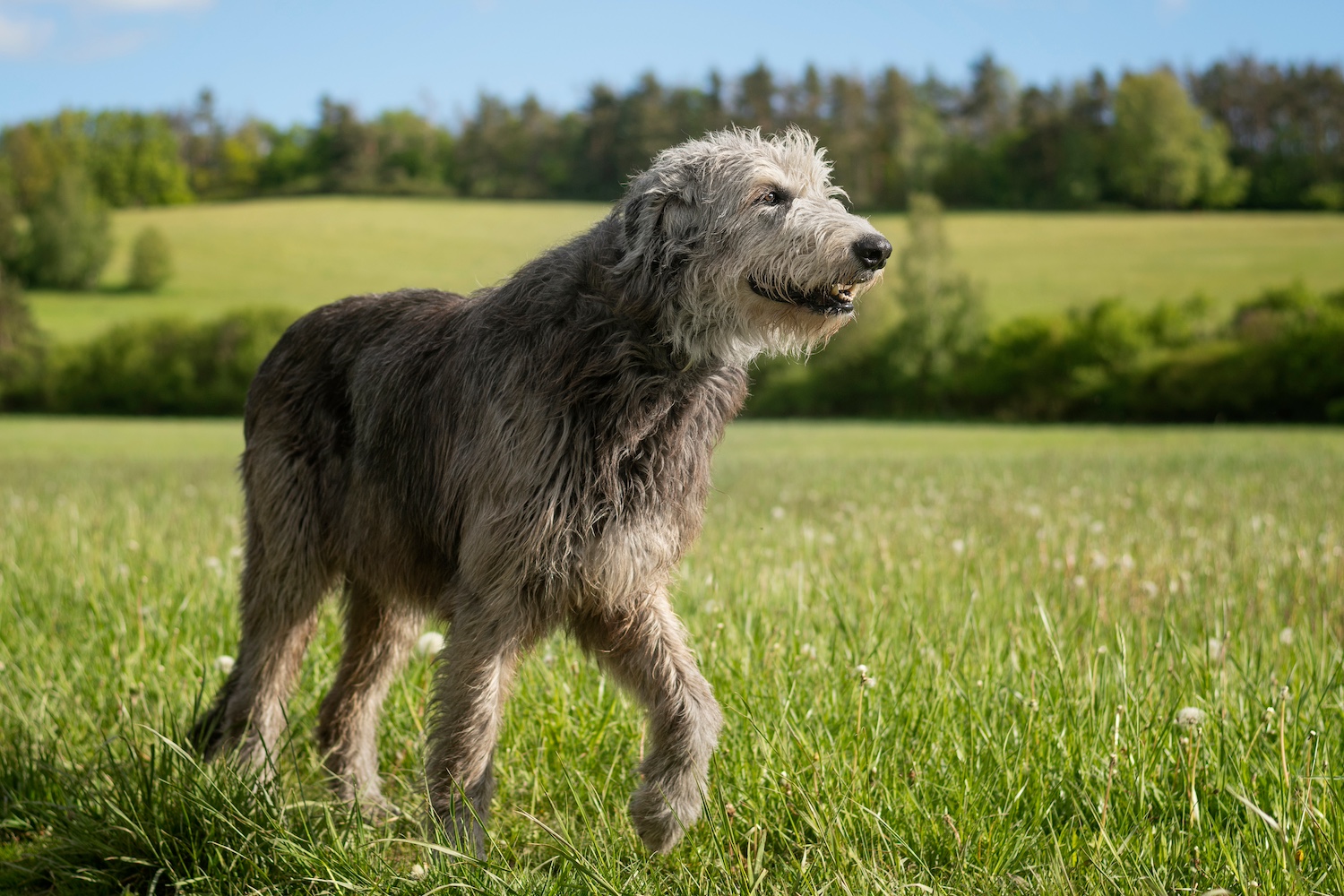
The Irish Wolfhound is a giant sighthound originating from Ireland. Recognized as the tallest dog breed by the American Kennel Club, it is famous for its muscular body, long legs, rough coat, and dignified expression.
Historically, these dogs were bred to pursue and hunt large animals, including wolves, deer, and wild boar. Their combination of exceptional speed, strength, and endurance made them valuable hunting companions.
Today, Irish Wolfhounds are primarily companion animals. Their affectionate personalities and generally relaxed behavior make them wonderful pets for households that can accommodate their substantial size and specific care requirements.
Irish Wolfhound Breed Characteristics
Here are some important characteristics that distinguish this breed:
- Origin: Ireland
- Breed group: Hound
- Size: Giant
- Height: Approximately 30–32 inches or taller
- Weight: Around 105–120 pounds or more
- Life expectancy: Approximately 6–8 years
- Temperament: Gentle, affectionate, dignified, and courageous
- Coat: Rough, wiry, and medium-length
- Exercise requirements: Regular daily exercise
- Grooming: Weekly brushing and routine maintenance
- Primary purpose: Historically a hunting dog; today primarily a companion
These characteristics make the Irish Wolfhound one of the most recognizable giant dog breeds in the world.
History and Origin of the Irish Wolfhound
The Irish Wolfhound has an ancient history closely connected to Ireland’s cultural heritage. Historical accounts of large Irish hunting dogs date back to at least 391 AD, when Roman statesman Quintus Aurelius Symmachus described receiving several Irish hounds as gifts.
For centuries, these powerful dogs were highly valued by Irish nobility and European royalty. Their impressive physical abilities made them particularly useful for hunting wolves, deer, and other large animals.
The breed was also considered a symbol of wealth, prestige, and status. Irish Wolfhounds were frequently exchanged as valuable gifts between rulers and influential families.
However, their population declined significantly as wolves and other large game animals disappeared from Ireland. By the nineteenth century, the breed had become extremely rare.
Captain George Augustus Graham played an important role in restoring the Irish Wolfhound population during the 1800s. He established a breeding programme using surviving Irish Wolfhounds and other large breeds, including Scottish Deerhounds and Great Danes.
Through these efforts, the modern Irish Wolfhound was re-established and eventually gained recognition among major kennel organizations.
Today, the breed remains an important part of Irish heritage and continues to attract admiration from dog lovers worldwide.
Physical Appearance and Size of Irish Wolfhound Dog Breeds
One of the most remarkable characteristics of Irish Wolfhound dog breeds is their extraordinary physical size.
These dogs have long, muscular bodies supported by powerful legs, giving them an elegant yet athletic appearance. Their deep chest, narrow waist, long neck, and rough coat contribute to their distinctive silhouette.
Male Irish Wolfhounds generally stand at least 32 inches tall at the shoulder, while females typically stand at least 30 inches.
Males commonly weigh around 120 pounds, while females generally weigh approximately 105 pounds. Individual dogs may exceed these measurements depending on their genetics and body structure.
Coat Types and Available Colors
Irish Wolfhounds have a rough, wiry double coat that provides protection against different weather conditions.
Common coat colors include:
- Grey
- Black
- White
- Brindle
- Red
- Wheaten
- Cream
Their coat is relatively practical compared with some other giant breeds, although regular grooming remains important.
The breed’s overall appearance combines strength, athleticism, and elegance, making it particularly distinctive among large dog breeds.
Irish Wolfhound Temperament and Personality
Despite their intimidating height and powerful appearance, Irish Wolfhounds are widely recognized for their gentle and affectionate personalities.
They are often described as gentle giants because they generally prefer peaceful companionship rather than confrontation.
These dogs typically develop strong relationships with their owners and enjoy spending time around familiar people. They are often relaxed indoors when their daily exercise and mental stimulation requirements are satisfied.
Are Irish Wolfhounds Good Family Dogs?
Yes, Irish Wolfhounds can make excellent family companions when properly trained and socialized.
Their affectionate nature and generally patient temperament can make them suitable for households with children. However, their enormous size means accidental knocks or injuries are possible, especially around small children.
Adult supervision is therefore essential whenever children interact with these dogs.
Are Irish Wolfhounds Aggressive?
Irish Wolfhounds are not generally considered aggressive dogs. Their historical hunting background should not be confused with an aggressive personality.
They are typically calm, confident, and friendly. However, like all dogs, individual temperament depends on genetics, upbringing, training, and socialization.
Although their size may discourage unwanted visitors, Irish Wolfhounds are not generally recommended as dedicated guard dogs.
Do Irish Wolfhounds Get Along With Other Pets?
With appropriate introductions and early socialization, Irish Wolfhounds can live peacefully with other dogs.
However, their strong natural prey drive means owners should exercise caution around smaller animals, including cats, rabbits, and other small pets.
Early training and carefully supervised interactions can help encourage positive relationships.
Grooming Requirements for Irish Wolfhounds
Although Irish Wolfhounds have rough, shaggy coats, their grooming requirements are relatively manageable with a consistent routine.
Their double coat consists of a harsh outer layer and a softer undercoat. Regular grooming helps remove loose hair, prevent excessive tangling, and maintain healthy skin.
Essential Grooming Practices
Weekly brushing: Brush your dog’s coat at least once a week to remove loose hair, dirt, and debris. More frequent brushing may be necessary during periods of increased shedding.
Bathing: Bathe your Irish Wolfhound when necessary, using a gentle dog shampoo suitable for its coat and skin.
Nail trimming: Regularly inspect and trim the nails to prevent discomfort and problems with walking.
Ear cleaning: Check the ears regularly for dirt, irritation, or unusual odors.
Dental hygiene: Brush your dog’s teeth regularly to help reduce plaque buildup and maintain good oral health.
Establishing these grooming habits early helps puppies become comfortable with handling as they mature.
Training and Socialization for Irish Wolfhound Puppies
Training is an essential part of raising a healthy, confident, and well-behaved Irish Wolfhound.
Although these dogs are intelligent and generally responsive to positive training, their enormous adult size makes early obedience particularly important.
An untrained adult Irish Wolfhound can be difficult to control simply because of its strength.
Start Training Early
Begin teaching basic commands while your Irish Wolfhound is still a puppy.
Important commands include:
- Sit
- Stay
- Come
- Leave it
- Heel
- Down
Use positive reinforcement, including treats, praise, and encouragement, to reward desirable behavior.
Avoid harsh punishment because it can damage the relationship between you and your dog.
Importance of Early Socialization
Introduce your puppy to different environments, people, sounds, and appropriately vaccinated, friendly dogs.
Positive early experiences can help develop confidence and reduce the likelihood of unwanted behavioral problems.
Puppy training classes can also provide valuable opportunities for supervised socialization.
Exercise and Mental Stimulation
Irish Wolfhounds require regular exercise to maintain healthy muscles, joints, and cardiovascular fitness.
Daily walks, opportunities to explore safely, and appropriate outdoor activities can help satisfy their physical needs.
However, growing puppies should not be subjected to excessive high-impact exercise. Their developing bones and joints need protection.
Adult Irish Wolfhounds may enjoy hiking, walking, and activities such as lure coursing, provided their fitness and health permit.
Mental stimulation is equally important. Interactive toys, scent games, and short training sessions can help prevent boredom.
Common Irish Wolfhound Health Problems
Like many giant dog breeds, Irish Wolfhounds are susceptible to certain health conditions. Their large body structure and relatively short lifespan make preventive veterinary care particularly important.
Responsible breeders should conduct appropriate health screening before breeding.
Some common health concerns include:
1. Gastric Dilatation-Volvulus (Bloat)
Bloat is a serious and potentially life-threatening condition affecting deep-chested dogs.
It occurs when the stomach fills with gas and may twist, restricting blood circulation and creating a medical emergency.
Warning signs can include:
- A swollen or distended abdomen
- Repeated attempts to vomit without producing anything
- Excessive drooling
- Restlessness
- Abdominal discomfort
- Difficulty breathing
Seek immediate veterinary attention if these symptoms occur.
2. Heart Disease
Irish Wolfhounds can develop inherited or acquired heart conditions, including dilated cardiomyopathy.
Regular cardiac examinations and appropriate screening are important, particularly as dogs grow older.
3. Hip and Elbow Dysplasia
These conditions involve abnormal development of the joints and can cause pain, mobility difficulties, and arthritis.
Maintaining a healthy body weight and providing appropriate exercise can help support joint health.
4. Osteosarcoma
Osteosarcoma is an aggressive form of bone cancer that occurs more frequently in giant dog breeds.
Persistent lameness, swelling around a limb, or unexplained pain should be assessed by a veterinarian.
5. Liver Conditions
Some Irish Wolfhounds can develop portosystemic shunts, a congenital condition affecting normal blood flow through the liver.
Responsible breeding and appropriate veterinary screening can help identify potential problems.
How Long Do Irish Wolfhounds Live?
The average Irish Wolfhound lifespan is approximately 6–8 years.
Although genetics influence longevity, responsible breeding, balanced nutrition, routine veterinary examinations, and appropriate weight management all contribute to a dog’s overall health and quality of life.
Feeding and Nutrition for Irish Wolfhounds
Proper nutrition is particularly important for Irish Wolfhounds because of their enormous size and extended growth period.
Puppies require carefully balanced nutrition to support healthy bone development, muscle growth, and overall physical development.
Feeding an inappropriate diet or encouraging excessively rapid growth may increase the risk of skeletal and joint problems.
Choosing the Right Dog Food
Select a complete and balanced food formulated for the dog’s life stage and nutritional requirements.
For growing Irish Wolfhound puppies, large- or giant-breed puppy formulas are generally recommended.
Adult dogs need a suitable diet that provides adequate protein, fats, vitamins, minerals, and calories.
Important Feeding Considerations
Control portion sizes: Measure meals according to your dog’s age, weight, activity level, and nutritional needs.
Avoid excessive weight gain: Maintaining a healthy body condition reduces unnecessary pressure on joints and other body systems.
Feed appropriate meals: Discuss meal frequency and feeding routines with your veterinarian. Multiple smaller meals may be recommended for dogs at risk of bloat.
Maintain fresh water availability: Ensure clean drinking water is always accessible.
Avoid sudden dietary changes: Introduce new foods gradually to reduce digestive upset.
A veterinarian can help establish an appropriate feeding programme for your dog’s individual requirements.
Is an Irish Wolfhound Suitable for Apartment Living?
Irish Wolfhounds are exceptionally large dogs, which means their living environment deserves careful consideration.
Although they can be relatively calm indoors, they need enough room to move comfortably, stretch, and rest.
A spacious home with a secure outdoor area is generally more suitable than a small apartment.
However, apartment living is not automatically impossible. Owners must be prepared to provide sufficient exercise, appropriate sleeping space, and regular outdoor access.
Before choosing this breed, consider the practical challenges of transporting, housing, feeding, and providing veterinary care for a giant dog.
Irish Wolfhound Puppies: What Prospective Owners Should Know
Irish Wolfhound puppies are particularly attractive to people interested in giant dog breeds.
However, prospective owners should understand that these puppies grow rapidly and require careful management throughout development.
When looking for an Irish Wolfhound puppy, prioritize responsible breeders who provide:
- Documented health screening for breeding dogs.
- Information about the puppy’s parents and lineage.
- Appropriate early socialization.
- Veterinary examination and vaccination records.
- Clear information about the puppy’s development and care.
- Ongoing support and responsible breeding practices.
Avoid choosing a puppy based exclusively on size, coat color, or price.
A responsible breeder should be equally interested in determining whether your household is suitable for the breed.
Adoption through reputable rescue organizations is another option worth considering.
Frequently Asked Questions About Irish Wolfhound Dog Breeds
1. What is special about Irish Wolfhound dog breeds?
Irish Wolfhound dog breeds are especially recognized for their extraordinary height, ancient Irish heritage, athletic ability, and gentle temperament. They are among the tallest dog breeds and are often described as gentle giants.
2. Are Irish Wolfhounds the tallest dog breed?
Yes. The Irish Wolfhound is recognized as the tallest dog breed by the American Kennel Club. Adult males generally stand at least 32 inches at the shoulder, while females stand at least 30 inches.
3. Are Irish Wolfhounds friendly?
Yes. Irish Wolfhounds are generally affectionate, calm, and friendly with their families. Early socialization and positive training help encourage good behavior around people and other animals.
4. How much does an Irish Wolfhound weigh?
Adult male Irish Wolfhounds typically weigh around 120 pounds, while females commonly weigh approximately 105 pounds. Some individuals may weigh more.
5. How long do Irish Wolfhounds live?
Irish Wolfhounds generally have an average lifespan of approximately 6–8 years. Responsible breeding and appropriate veterinary care are important for supporting their health.
6. Do Irish Wolfhounds require a lot of grooming?
Their grooming requirements are moderate. Weekly brushing, regular nail trimming, ear checks, and dental care help maintain a healthy coat and overall condition.
7. Are Irish Wolfhounds easy to train?
They are intelligent and can respond well to positive reinforcement. However, consistent training and early socialization are important because their adult size and strength require reliable obedience.
8. Do Irish Wolfhounds make good guard dogs?
Despite their intimidating appearance, Irish Wolfhounds are generally friendly rather than territorial or aggressive. They are better suited to companionship than dedicated guarding duties.
9. Are Irish Wolfhounds good with children?
They can be affectionate and patient family companions. However, their enormous size means interactions with young children should always be supervised.
10. What should Irish Wolfhounds eat?
They need a complete and balanced diet appropriate for their age, size, and activity level. Growing puppies should receive suitable large- or giant-breed puppy nutrition, while adults need an appropriate maintenance diet.
Final Thoughts on Irish Wolfhound Dog Breeds
Irish Wolfhounds are remarkable dogs that combine impressive physical characteristics with a gentle and affectionate personality. Their ancient history, exceptional height, athletic abilities, and loyalty make them one of the most fascinating giant dog breeds.
However, owning one requires serious consideration. Their size, exercise requirements, nutritional needs, grooming routine, and potential health concerns mean they are best suited to owners who can provide consistent attention and responsible care.
For anyone researching Irish Wolfhound dog breeds, understanding these characteristics is the first step toward making an informed decision.
With appropriate training, responsible breeding, balanced nutrition, and regular veterinary care, an Irish Wolfhound can become a wonderful and devoted companion.
