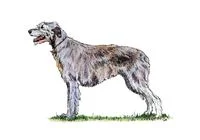

How Long Do Irish Wolfhounds Live? Lifespan, Health and Care Guide
How long do Irish Wolfhounds live? Irish Wolfhounds typically live around 6 to 8 years, with an average lifespan of approximately 7 to 7.5 years in some breed health datasets. Although these gentle giants are known for their impressive size, affectionate personalities, and calm temperament, they generally have shorter lifespans than smaller dog breeds. Genetics, heart health, cancer risk, nutrition, and veterinary care can all influence an individual dog’s longevity.
If you are considering adopting an Irish Wolfhound or already share your home with one, understanding its life expectancy can help you provide the best possible care throughout every stage of its life.
How Long Do Irish Wolfhounds Live on Average?
The average Irish Wolfhound lifespan is approximately 6 to 8 years. The Irish Wolfhound Club of America and the American Kennel Club both identify this range as a general life-expectancy guideline.
Some Irish Wolfhounds live beyond eight years, and a smaller number reach nine or ten years. However, individual lifespans vary considerably, so no particular age can be guaranteed.
Irish Wolfhounds are giant-breed dogs, and giant breeds generally have shorter life expectancies than smaller dogs. Their size, inherited health risks, and susceptibility to certain serious diseases contribute to this difference.
For prospective owners, it is important to understand that the average lifespan is a population estimate rather than a prediction of how long an individual dog will live.
Why Do Irish Wolfhounds Have Short Lifespans?
Several factors contribute to the relatively short lifespan of Irish Wolfhounds.
1. Their Giant Size
Irish Wolfhounds are among the tallest dog breeds in the world. Adult males typically stand at least 32 inches at the shoulder, while females stand at least 30 inches.
Giant dogs mature differently from smaller breeds, and their size is associated with a greater risk of certain age-related and life-threatening conditions. Although size alone does not determine an individual dog’s lifespan, it is an important factor in understanding the breed’s longevity.
2. Heart Disease
Heart disease is one of the major health concerns in Irish Wolfhounds. Dilated cardiomyopathy, or DCM, is a condition in which the heart muscle becomes weakened and enlarged, potentially reducing its ability to pump blood effectively.
Some dogs may show few obvious signs during the early stages. Regular veterinary examinations and appropriate cardiac screening can help identify problems earlier.
Breeders should also discuss the heart-health screening of their breeding dogs with prospective puppy owners.
3. Cancer
Cancer, particularly osteosarcoma or bone cancer, is a significant cause of illness and death in Irish Wolfhounds.
Osteosarcoma can cause pain, swelling, and lameness, although symptoms vary depending on the affected area. New or persistent limping, unexplained swelling, or signs of pain should be assessed promptly by a veterinarian.
Early assessment does not prevent every case of cancer, but it can help owners understand their dog’s condition and available treatment options.
4. Bloat and Gastric Dilatation-Volvulus
Irish Wolfhounds have deep chests, which put them at risk of gastric dilatation-volvulus (GDV), commonly known as bloat.
GDV occurs when the stomach expands and twists, creating a potentially fatal emergency. Warning signs include a swollen abdomen, repeated attempts to vomit without producing anything, excessive drooling, restlessness, and sudden weakness.
Suspected bloat requires immediate emergency veterinary care. Do not wait for symptoms to improve on their own.
Owners should discuss the dog’s individual risk and possible preventive options, including gastropexy, with their veterinarian.
5. Inherited Health Conditions
Genetics also influence Irish Wolfhound life expectancy. Depending on the family line, concerns may include heart conditions, liver shunts, inherited eye problems, and orthopedic disorders.
Responsible breeding practices, appropriate health testing, and transparent family health histories can help prospective owners make better-informed decisions.
How Can You Help an Irish Wolfhound Live Longer?
Although no owner can control every health risk, good everyday care can support an Irish Wolfhound’s health and quality of life.
Feed a Balanced, Appropriate Diet
Choose a complete and balanced diet suitable for your dog’s age, size, and activity level. Irish Wolfhound puppies grow rapidly, so their nutritional requirements differ from those of adult dogs.
Avoid excessive feeding and rapid, uncontrolled weight gain. Your veterinarian can help you select an appropriate diet and monitor healthy growth.
Maintain a Healthy Body Weight
Keeping your Irish Wolfhound at a healthy weight can reduce unnecessary stress on its joints and support mobility as it ages.
Ask your veterinarian to assess body condition regularly and recommend adjustments to food portions if necessary.
Provide Regular, Suitable Exercise
Irish Wolfhounds benefit from daily walks and opportunities for appropriate physical activity. Their exercise needs change with age, fitness, and health.
Growing puppies should not be pushed into excessive high-impact exercise. Adult and senior dogs should receive activity suited to their physical condition.
Allow adequate rest, particularly after meals, and ask your veterinarian about sensible feeding and exercise routines to help manage bloat risk.
Schedule Regular Veterinary Checkups
Routine veterinary care is essential throughout an Irish Wolfhound’s life. Checkups can help detect changes in heart function, mobility, body condition, and general health.
Your veterinarian may recommend cardiac screening, blood tests, or other investigations based on your dog’s age, medical history, symptoms, and family background.
Do not wait for an annual appointment if your dog develops worrying symptoms.
Choose a Responsible Breeder
If you are buying an Irish Wolfhound puppy, ask about the parents’ health histories and available screening records.
A responsible breeder should be willing to discuss inherited health concerns, the longevity of related dogs, and recommended health tests. No breeder can guarantee a particular lifespan, but informed breeding decisions can support healthier generations.
Monitor Changes as Your Dog Ages
Irish Wolfhounds can remain active and comfortable for much of their lives, but changes in behavior or physical ability deserve attention.
Watch for reduced stamina, unexplained weight loss, persistent coughing, unusual breathing, changes in appetite, difficulty standing, or new limping.
These signs do not always indicate a serious disease, but prompt veterinary advice can help determine what is happening.
What Age Is an Irish Wolfhound Considered a Senior?
Because Irish Wolfhounds have relatively short lifespans, they may enter their senior years earlier than many smaller breeds. Around six years of age, it is sensible to discuss senior-care needs with your veterinarian, although individual dogs age at different rates.
Senior care may include more frequent health assessments, monitoring of mobility and body weight, dental care, and screening for age-related conditions.
Older Irish Wolfhounds may benefit from comfortable bedding, nonslip flooring, easier access to resting areas, and shorter or gentler walks when needed.
The goal is not simply to extend life but to help your dog remain comfortable, mobile, and engaged for as long as possible.
Do Male or Female Irish Wolfhounds Live Longer?
Some research suggests that female Irish Wolfhounds may live slightly longer than males, but this is not a guarantee for an individual dog.
Lifespan is influenced by several interacting factors, including genetics, overall health, environmental conditions, and access to veterinary care. Available studies also differ in their populations and methods, which makes direct comparisons difficult.
Rather than relying on sex alone to predict longevity, prospective owners should consider the dog’s family health history, responsible breeding practices, and ongoing care.
How Does the Irish Wolfhound Lifespan Compare With Other Dogs?
Irish Wolfhounds generally have shorter life expectancies than many small and medium-sized breeds. The following figures are approximate and vary by source and individual dog.
| Dog breed | Typical life expectancy |
|---|---|
| Irish Wolfhound | 6–8 years |
| Great Dane | 8–10 years |
| Labrador Retriever | Around 11–13 years |
| Golden Retriever | Around 10–12 years |
| Chihuahua | Around 14–16 years |
These ranges are general estimates, not guarantees. Differences in study methods, breeding populations, and individual health mean that actual lifespans can fall outside them.
The comparison highlights an important consideration for anyone thinking about owning an Irish Wolfhound: these dogs can bring years of companionship, but owners should be prepared for a shorter average time together than they might expect with many smaller breeds.
Frequently Asked Questions About Irish Wolfhound Lifespan
How long do Irish Wolfhounds live on average?
Irish Wolfhounds typically live around 6 to 8 years. Some live longer, but their average lifespan is shorter than that of many smaller breeds because of their giant size and susceptibility to certain serious health conditions.
Can an Irish Wolfhound live for 10 years?
Yes. Some Irish Wolfhounds reach ten years or older, although this is beyond the usual life-expectancy range. Genetics, health history, and individual circumstances all influence longevity.
What is the most common cause of death in Irish Wolfhounds?
Cancer, particularly osteosarcoma, is a major cause of death in the breed. Heart disease and gastric dilatation-volvulus are also important health concerns. The leading cause can vary across populations and studies.
Are Irish Wolfhounds healthy dogs?
Irish Wolfhounds can enjoy good health for much of their lives, but the breed has several important inherited and breed-associated health risks. Regular veterinary care and appropriate screening are essential.
Do Irish Wolfhounds age faster than smaller dogs?
In general, giant dog breeds tend to have shorter lifespans than smaller breeds. However, aging is not identical in every dog, and individual health, genetics, and lifestyle all play a role.
How can I improve my Irish Wolfhound’s life expectancy?
You cannot guarantee a longer lifespan, but you can support your dog’s health by providing balanced nutrition, maintaining a healthy weight, offering suitable exercise, scheduling regular veterinary examinations, and seeking prompt care when symptoms appear.
At what age is an Irish Wolfhound fully grown?
Irish Wolfhounds take longer to mature physically than many smaller breeds. Although much of their height develops during puppyhood, they may continue filling out as they mature. Ask your veterinarian about appropriate nutrition and exercise during growth.
Final Thoughts: How Long Do Irish Wolfhounds Live?
So, how long do Irish Wolfhounds live? The typical answer is 6 to 8 years, with an average of roughly seven years in many breed-health references.
Their lifespan may be relatively short, but Irish Wolfhounds are celebrated for their gentle nature, loyalty, and affectionate companionship. Responsible breeding, appropriate nutrition, regular veterinary care, and awareness of serious warning signs can help owners make informed decisions and support their dogs’ well-being.
If you are planning to welcome an Irish Wolfhound into your family, learn about the breed’s health risks before choosing a puppy and establish a relationship with a veterinarian who understands giant breeds. If you already own one, focus on preventive care, comfort, and enjoying the time you share.
Every Irish Wolfhound is an individual. Breed averages provide useful context, but they cannot predict exactly how long your own dog will live.
