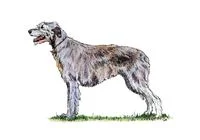
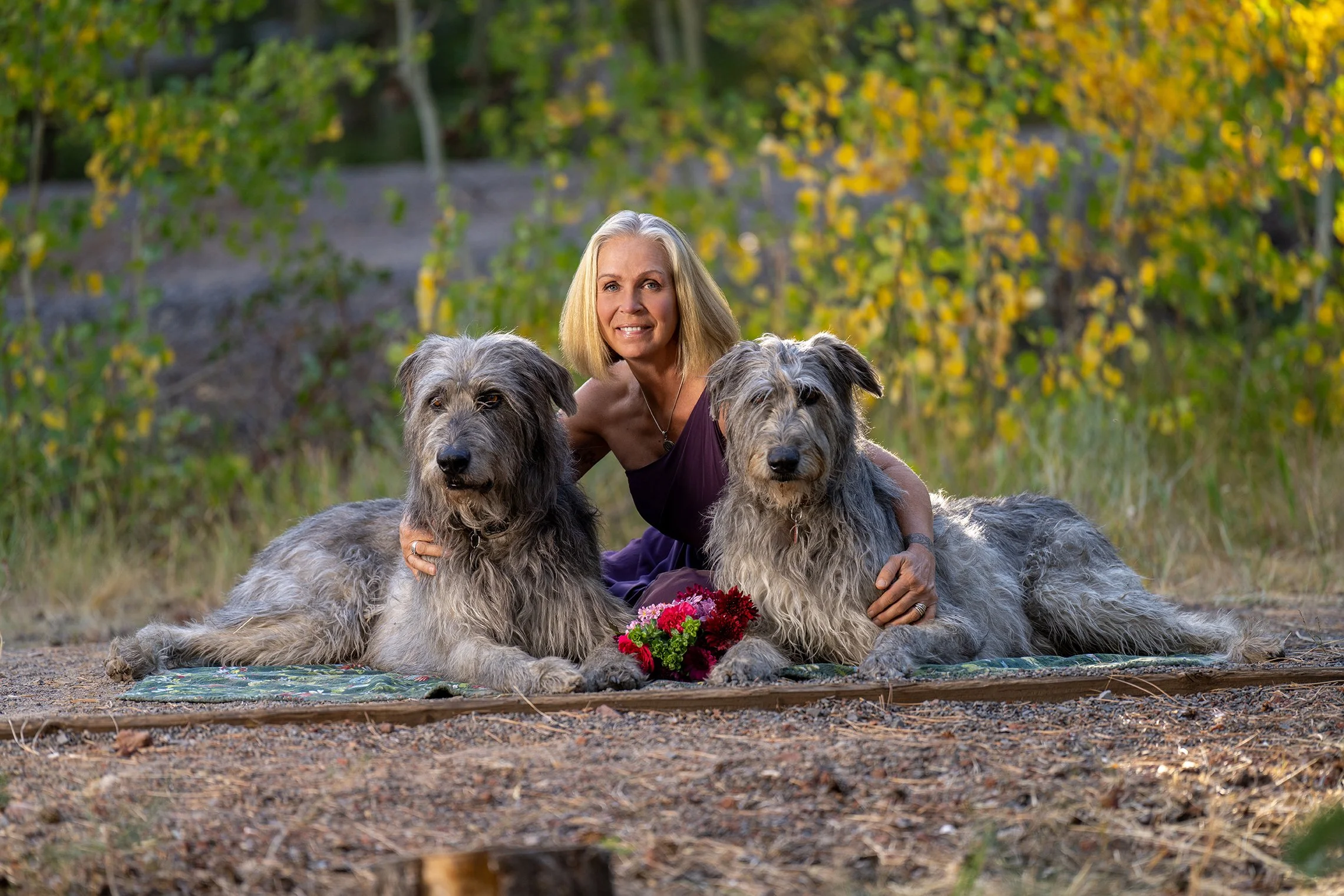
The Irish Wolfhound temperament is one of the most appealing characteristics of this magnificent giant dog breed. Despite their impressive size, muscular build and history as fearless hunting dogs, Irish Wolfhounds are widely recognised for their gentle, affectionate, calm and friendly personalities.
Often described as gentle giants, these dogs are known for forming strong bonds with their families, showing patience around children and enjoying peaceful companionship with their owners. Their naturally kind disposition makes them wonderful companions for people who understand the responsibilities of owning a giant breed.
However, are Irish Wolfhounds naturally friendly? Do they get along with children and other pets? Are they aggressive, difficult to train or suitable for first-time dog owners?
In this comprehensive guide, we explore everything you need to know about the Irish Wolfhound temperament, including their personality, behaviour, intelligence, training requirements and suitability for family life.
If you are considering welcoming an Irish Wolfhound into your home, understanding these characteristics will help you decide whether this remarkable breed is the right companion for your lifestyle.
What Is the Typical Irish Wolfhound Temperament?
The typical Irish Wolfhound temperament is gentle, calm, affectionate, patient and dignified. These dogs are generally friendly towards people and enjoy spending time with their families.
According to the official breed standards, the Irish Wolfhound should have a gentle, kind and friendly nature. The American Kennel Club also describes the breed as calm, courageous and dignified.
Irish Wolfhound Society+2
Although their enormous appearance can be intimidating, Irish Wolfhounds are not naturally aggressive or suspicious. They are generally relaxed around familiar people and tend to approach new situations with a calm and confident attitude when properly socialised.
Here are some of their most recognisable personality characteristics:
-
Gentle: Usually soft-natured and considerate around family members.
-
Affectionate: Enjoys human companionship and develops strong family bonds.
-
Calm: Generally relaxed and peaceful inside the home.
-
Friendly: Often welcoming towards visitors and familiar dogs.
-
Patient: Can be tolerant of children when appropriately supervised.
-
Courageous: Possesses natural confidence without unnecessary aggression.
-
Sensitive: Responds best to gentle handling and positive reinforcement.
Their personality makes them particularly appealing to families looking for a large, affectionate companion rather than an aggressive guard dog.
7 Important Irish Wolfhound Personality Traits
Understanding the different aspects of the Irish Wolfhound personality can help prospective owners prepare for life with this giant breed.
1. Irish Wolfhounds Are Naturally Gentle
Gentleness is one of the defining characteristics of the Irish Wolfhound.
Despite their historical background as hunters of large animals, modern Irish Wolfhounds are generally peaceful and affectionate companions. They are not typically looking for confrontation and usually prefer a relaxed environment.
Their gentle nature is particularly noticeable around their families. Many enjoy lying beside their owners, receiving affection and quietly following household activities.
However, their enormous size means owners should teach them appropriate manners from an early age.
2. They Are Affectionate and Loyal to Their Families
Irish Wolfhounds form strong emotional connections with the people they live with.
They enjoy being included in everyday family activities and may follow their favourite person from one room to another. Although they can sometimes appear independent, they generally appreciate regular attention and companionship.
Unlike some breeds that are comfortable spending most of their day alone, Irish Wolfhounds may become unhappy when separated from their families for extended periods.
For this reason, they are particularly suitable for households that can provide consistent companionship.
3. They Are Calm and Relaxed Indoors
One surprising aspect of the Irish Wolfhound temperament is how peaceful these giant dogs can be inside the home.
Although they are athletic and capable of running at impressive speeds, many adult Irish Wolfhounds enjoy relaxing for long periods after exercise.
They often appreciate comfortable sleeping areas, quiet surroundings and opportunities to spend time near their owners.
Nevertheless, a calm indoor personality does not mean they have minimal exercise requirements. Regular walks and opportunities to move freely in a secure area remain important.
4. Irish Wolfhounds Are Friendly Towards Strangers
Irish Wolfhounds are generally approachable and friendly when properly socialised.
They may initially observe unfamiliar visitors before becoming comfortable, but aggression and excessive suspicion are not desirable breed characteristics.
Their enormous size can make them appear intimidating to people unfamiliar with the breed. However, their personalities are often much softer than their appearance suggests.
It is important to remember that individual dogs have different personalities, and early socialisation helps encourage confident behaviour around unfamiliar people.
5. They Are Patient With Children
Irish Wolfhounds are generally known for their kind and patient nature around children.
Their affectionate personalities can make them wonderful family companions, particularly in households where children understand how to interact respectfully with dogs.
However, their size requires additional precautions.
Even a friendly young Irish Wolfhound can accidentally knock over a small child while playing or moving around the house.
Parents should always supervise interactions between young children and dogs, teach children not to pull their ears or tails, and provide the dog with a quiet place to rest.
6. They Are Intelligent but Sometimes Independent
Irish Wolfhounds are intelligent dogs capable of learning commands, household routines and appropriate behaviour.
However, they may not always demonstrate the eagerness to obey that is sometimes associated with highly responsive working breeds.
Their independent nature means training should be consistent, patient and rewarding.
Short training sessions, positive reinforcement and regular practice generally produce better results than harsh corrections.
7. They Have a Natural Hunting Instinct
Although modern Irish Wolfhounds are primarily companion dogs, their historical hunting background remains an important part of their behaviour.
They are sighthounds, meaning they can be strongly attracted to moving objects and animals.
For example, an Irish Wolfhound may suddenly become interested in a rabbit, squirrel or unfamiliar cat moving across an open field.
This instinct makes secure fencing, reliable lead handling and early training particularly important.
Are Irish Wolfhounds Good Family Dogs?
Yes. Irish Wolfhounds can make excellent family companions because of their affectionate, patient and generally easygoing personalities.
They typically enjoy human companionship and can adapt to different household environments when their physical and emotional needs are properly met.
Some reasons families appreciate Irish Wolfhounds include:
-
They are generally gentle and friendly.
-
They develop strong relationships with household members.
-
They are often calm inside the home.
-
They can be patient with children.
-
They are usually sociable with familiar dogs.
-
They enjoy spending time with their owners.
However, owning an Irish Wolfhound involves considerable responsibility. Their size requires adequate living space, suitable exercise arrangements, appropriate nutrition and access to veterinary care.
Families should also consider the financial implications of feeding and caring for a giant breed.
Are Irish Wolfhounds Good With Children?
Irish Wolfhounds are generally good-natured around children and are often appreciated for their patient personalities.
Their affectionate nature can make them wonderful companions for older children who understand how to respect animals.
However, supervision is essential, particularly when young children are involved.
An Irish Wolfhound puppy can grow surprisingly quickly, and even playful movements can unintentionally cause injuries.
To encourage a positive relationship between children and Irish Wolfhounds:
-
Teach children to approach the dog calmly.
-
Never allow children to climb on or disturb a resting dog.
-
Supervise playtime at all times.
-
Avoid rough games that encourage jumping or pushing.
-
Give the dog a comfortable area where it can rest undisturbed.
With proper introductions, supervision and training, Irish Wolfhounds can become loving members of family households.
Do Irish Wolfhounds Get Along With Other Dogs and Pets?
Irish Wolfhounds can live successfully with other dogs, particularly when they are introduced to different animals during puppyhood.
Their generally sociable personalities often make them comfortable around other friendly dogs.
However, their hunting instincts mean that smaller animals require additional consideration.
Living with other dogs: Many Irish Wolfhounds enjoy canine companionship and can develop strong relationships with other household dogs.
Living with cats: Some can learn to coexist peacefully with cats, particularly when raised together and introduced carefully.
Living with smaller pets: Rabbits, guinea pigs and other small animals may trigger their natural chasing instincts.
Every introduction should be gradual and supervised. Owners should never assume that an Irish Wolfhound will automatically be safe around smaller animals.
Are Irish Wolfhounds Aggressive?
Irish Wolfhounds are not generally considered an aggressive breed.
Their official temperament description emphasises kindness, gentleness and friendliness. Although they are courageous and physically powerful, unnecessary aggression is not considered desirable behaviour.
Irish Wolfhound Society+1
They may alert their owners when something unusual happens, but they are not naturally suited to traditional guard-dog duties.
It is important to distinguish between protective instincts and aggression.
A well-socialised Irish Wolfhound should generally be confident and comfortable around people rather than displaying unnecessary hostility.
Fear, poor socialisation, mistreatment and inadequate training can affect the behaviour of any dog, regardless of breed.
Are Irish Wolfhounds Easy to Train?
Irish Wolfhounds are intelligent and capable of learning, but their sensitive and sometimes independent personalities require patience.
Training should begin during puppyhood, when they are easier to manage physically.
Because they grow into extremely large dogs, teaching basic obedience early is especially important.
Useful commands include:
-
Sit
-
Stay
-
Come
-
Leave it
-
Down
-
Walk beside me
Recommended training techniques:
Positive reinforcement: Reward desirable behaviour with praise, treats and encouragement.
Consistency: Use the same commands and household rules to avoid confusion.
Early socialisation: Introduce puppies to different people, environments, sounds and appropriate animals.
Short sessions: Keep training sessions engaging rather than overwhelming the dog.
Gentle correction: Avoid shouting, intimidation or physical punishment, as Irish Wolfhounds can be sensitive.
The American Kennel Club emphasises the importance of early training and socialisation for Irish Wolfhound puppies, particularly because of their eventual size and strength.
American Kennel Club+1
Do Irish Wolfhounds Like Being Left Alone?
Irish Wolfhounds generally enjoy human companionship and may struggle when regularly left alone for extended periods.
Some develop separation-related behaviours, including excessive restlessness, barking or destructive behaviour.
Owners can help their dogs become comfortable with occasional separation by gradually introducing short periods alone.
Practical steps include:
-
Establishing a predictable daily routine.
-
Providing a comfortable resting area.
-
Offering appropriate enrichment toys.
-
Gradually increasing alone time.
-
Avoiding sudden, prolonged periods of separation.
If a dog displays persistent distress when left alone, consulting a qualified trainer or veterinary professional can help identify appropriate solutions.
How Much Exercise Does an Irish Wolfhound Need?
Although Irish Wolfhounds are often relaxed indoors, they still need regular physical activity.
Their athletic build and sighthound background mean they benefit from daily walks and opportunities to move around in a secure outdoor environment.
Suitable activities include:
-
Daily walks at a comfortable pace.
-
Supervised play in secure gardens.
-
Controlled free-running opportunities.
-
Gentle exploration of outdoor environments.
-
Age-appropriate mental stimulation.
Puppies require particular care because their bones and joints are still developing. Exercise should be appropriate for their age, with excessive forced running and high-impact activity avoided.
Adult dogs also need suitable opportunities to exercise without being pushed beyond their physical limits.
Are Irish Wolfhounds Suitable for First-Time Dog Owners?
Irish Wolfhounds can suit responsible first-time owners who are prepared for the demands of a giant breed.
Their gentle personality and generally calm household behaviour can make them appealing to inexperienced owners.
However, their physical size, training requirements and potential veterinary expenses should not be underestimated.
First-time owners should be prepared to manage:
-
A very large and powerful dog.
-
Early obedience and socialisation.
-
Regular exercise.
-
Considerable food requirements.
-
Grooming and general maintenance.
-
Potential breed-related health concerns.
-
The need for adequate space.
Speaking with experienced Irish Wolfhound breeders and owners before purchasing a puppy can provide valuable insight into everyday ownership.
What Can Affect an Irish Wolfhound’s Temperament?
Although the breed has recognised personality characteristics, not every Irish Wolfhound behaves exactly the same way.
Several factors can influence an individual dog’s temperament.
Genetics and breeding: Responsible breeders consider temperament when selecting breeding dogs.
Early socialisation: Positive experiences during puppyhood can help develop confidence around people, animals and unfamiliar environments.
Training: Consistent, reward-based training helps establish good household behaviour.
Living environment: A stable, comfortable home with appropriate exercise and companionship supports positive behaviour.
Health and wellbeing: Pain, illness and discomfort can affect a dog’s normal behaviour.
Choosing a responsible breeder who prioritises both physical health and stable temperament is an important first step.
Irish Wolfhound Temperament Compared With Other Giant Breeds
Irish Wolfhounds share some characteristics with other giant breeds, but their individual temperaments can differ.
| Breed | Common temperament characteristics |
|---|---|
| Irish Wolfhound | Gentle, calm, affectionate and dignified |
| Great Dane | Friendly, affectionate and sociable |
| Saint Bernard | Gentle, patient and good-natured |
| Newfoundland | Sweet-tempered, patient and devoted |
| Scottish Deerhound | Gentle, quiet and independent |
These are general breed tendencies rather than guarantees. Individual personality, upbringing and socialisation all influence behaviour.
Frequently Asked Questions About Irish Wolfhound Temperament
1. Are Irish Wolfhounds friendly?
Yes. Irish Wolfhounds are generally friendly, affectionate and gentle dogs. They often enjoy interacting with their families and can become comfortable around unfamiliar people when properly socialised.
2. Are Irish Wolfhounds aggressive towards strangers?
No, aggression towards strangers is not a typical breed characteristic. They are generally calm and approachable, although individual dogs may initially be reserved in unfamiliar situations.
3. Do Irish Wolfhounds bark a lot?
Irish Wolfhounds are not generally considered excessive barkers. They may bark to communicate excitement, alert their owners or respond to unfamiliar situations.
4. Are Irish Wolfhounds affectionate?
Yes. They are known for forming strong bonds with their owners and enjoying companionship. Many like relaxing close to family members and receiving attention.
5. Can Irish Wolfhounds live in apartments?
They can sometimes adapt to apartment living if their exercise, space and companionship needs are met. However, their enormous size makes a spacious home with access to suitable outdoor exercise more practical.
6. Are Irish Wolfhounds protective of their owners?
They can be loyal and courageous, but they are not naturally aggressive guard dogs. Their friendly and peaceful disposition makes them better suited to companionship than conventional protection work.
7. Do Irish Wolfhounds get along with cats?
Some Irish Wolfhounds can live peacefully with cats, especially when introduced from an early age. However, their natural prey drive means careful introductions and ongoing supervision are important.
8. Are Irish Wolfhounds intelligent?
Yes. They are intelligent dogs capable of learning commands and routines. However, their independent and sensitive nature means they benefit from patient, consistent training.
9. Are Irish Wolfhounds good for families with young children?
They can be excellent family companions, but their size creates a risk of accidental knocks or falls. Adult supervision and teaching children appropriate dog-handling behaviour are essential.
10. Do Irish Wolfhounds need a lot of attention?
They generally enjoy human companionship and benefit from regular interaction. They should not routinely be left alone for long periods without appropriate preparation and care.
Conclusion: Is the Irish Wolfhound Temperament Right for You?
The Irish Wolfhound temperament is what makes this extraordinary breed so special. Behind its impressive size and powerful appearance is a generally gentle, affectionate, patient and dignified companion.
Irish Wolfhounds are particularly appreciated for their loyalty, calm indoor behaviour and ability to develop strong relationships with their families. They can make wonderful family dogs when raised with proper training, early socialisation and responsible care.
However, prospective owners must consider their exercise requirements, enormous physical size, companionship needs and potential healthcare expenses before bringing one home.
If you are looking for a friendly, loving and gentle giant with an affectionate personality, the Irish Wolfhound may be an excellent breed to consider.
The most important step is choosing a responsible breeder who prioritises sound health, good temperament and appropriate puppy socialisation.
