How Long Do Irish Wolfhounds Live? Average Lifespan, Health Problems & Care Guide
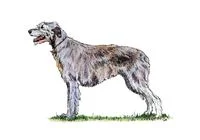
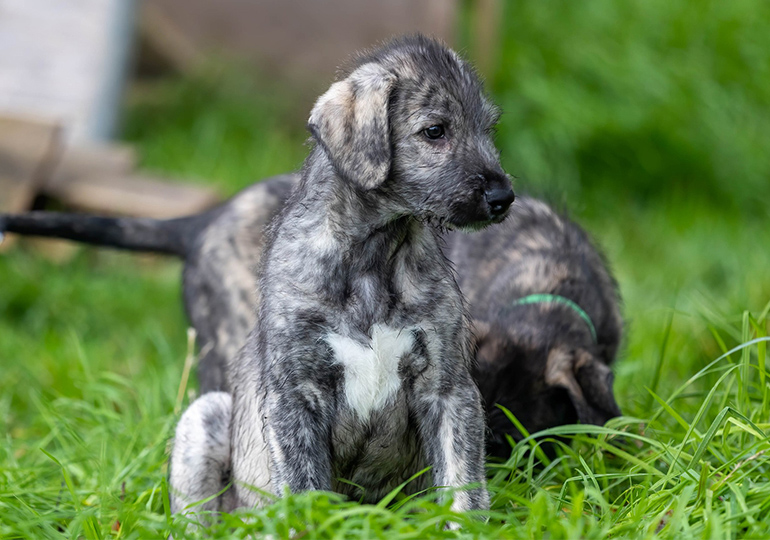
The Irish Wolfhound is one of the most magnificent dog breeds in the world. Known for its extraordinary height, gentle temperament and loyal personality, this ancient breed has captured the hearts of dog lovers across the United Kingdom.
However, before welcoming one of these gentle giants into your home, there is an important question every prospective owner should ask: How long do Irish Wolfhounds live?
The average Irish Wolfhound lifespan is approximately 6 to 10 years, although individual dogs may live shorter or longer lives. Unfortunately, Irish Wolfhounds generally have shorter life expectancies than many smaller dog breeds.
Their enormous size, genetic predisposition to certain health conditions and relatively rapid ageing all contribute to their shorter lifespan.
At Irish Wolfhound UK, we believe that understanding the breed’s health, nutritional needs and long-term care requirements is an essential part of responsible ownership.
In this comprehensive guide, we explore the average Irish Wolfhound life expectancy, the health problems that can affect their longevity, and practical steps owners can take to support a longer, healthier and happier life.
What Is the Average Lifespan of an Irish Wolfhound?
Irish Wolfhounds typically live between 6 and 10 years, with many estimates placing their average life expectancy at approximately 7 years.
However, lifespan figures vary between studies and populations.
Some Irish Wolfhounds sadly develop serious health problems at a young age, while others remain active and healthy well into their senior years.
The lifespan of an individual Irish Wolfhound depends on several factors, including:
- Genetics and inherited health conditions.
- Responsible breeding practices.
- Diet and weight management.
- Veterinary care and preventative health screening.
- Exercise and daily activity.
- Living conditions and overall wellbeing.
- Early detection and treatment of medical problems.
Although no owner can guarantee a longer lifespan, understanding these factors can help support their dog’s health throughout its life.
Why Do Irish Wolfhounds Have Such Short Lifespans?
One of the most common questions among prospective owners is why Irish Wolfhounds do not typically live as long as smaller breeds.
The answer involves several biological and medical factors.
1. Their Enormous Body Size
Irish Wolfhounds are among the tallest dog breeds in the world.
Adult males commonly stand at least 79 cm at the shoulder, while females are generally somewhat smaller.
Their considerable size places significant demands on their bodies.
Research across dog breeds has found an association between larger body size and shorter average lifespan.
Although size alone does not determine how long an individual dog will live, it is an important factor in understanding giant-breed longevity.
2. Faster Ageing in Giant Dog Breeds
Large and giant dog breeds generally have shorter lifespans than small breeds.
An Irish Wolfhound may begin showing age-related changes earlier than a much smaller dog.
This means owners should pay attention to changes in mobility, energy levels, appetite and general behaviour as their dogs mature.
3. Predisposition to Certain Health Conditions
Irish Wolfhounds are predisposed to several serious health conditions, including heart disease, certain cancers and gastric dilatation-volvulus.
These illnesses can significantly affect quality of life and longevity.
Responsible breeding, veterinary monitoring and early intervention can help reduce some risks, although not every condition is preventable.
Irish Wolfhound Lifespan Compared to Other Dog Breeds
Understanding how Irish Wolfhound life expectancy compares with other breeds can help prospective owners prepare for the responsibilities of giant-breed ownership.
| Dog breed | Approximate lifespan |
|---|---|
| Irish Wolfhound | 6–10 years |
| Great Dane | 7–10 years |
| English Mastiff | 6–10 years |
| Saint Bernard | 8–10 years |
| Scottish Deerhound | 8–11 years |
| Cane Corso | 9–12 years |
| Labrador Retriever | 10–13 years |
| Border Collie | 12–15 years |
These are broad estimates rather than guarantees. Actual life expectancy varies with genetics, health and individual circumstances.
The comparison highlights a general trend: giant dog breeds often have shorter lifespans than medium-sized dogs.
For those interested in other large guardian breeds, our external resource on Cane Corso Puppies for Sale offers another starting point for exploring a different large dog breed.
However, each breed has unique health requirements, temperament characteristics and ownership responsibilities.
What Health Problems Affect Irish Wolfhound Lifespan?
Understanding common Irish Wolfhound health problems is one of the most important steps towards responsible ownership.
Some medical conditions are particularly relevant because of their potential effect on the breed’s life expectancy.
1. Dilated Cardiomyopathy (DCM)
Dilated cardiomyopathy is a serious heart condition that affects Irish Wolfhounds.
The disease causes the heart muscle to become enlarged and weakened, reducing its ability to pump blood effectively.
In some dogs, the condition progresses to congestive heart failure or dangerous heart rhythm abnormalities.
Possible symptoms include:
- Reduced exercise tolerance.
- Unusual tiredness.
- Persistent coughing.
- Rapid or difficult breathing.
- Fainting or collapse.
- Reduced appetite.
Some affected dogs show no obvious symptoms during the early stages.
For this reason, regular veterinary heart screening is especially important for Irish Wolfhounds.
A veterinarian may recommend an echocardiogram and electrocardiogram to assess heart structure and rhythm.
Early detection can help guide treatment and monitoring.
2. Osteosarcoma (Bone Cancer)
Osteosarcoma is an aggressive form of bone cancer that occurs more frequently in large and giant dog breeds.
Irish Wolfhounds are among the breeds at increased risk.
The condition commonly affects the long bones of the legs.
Warning signs may include:
- Persistent limping.
- Swelling around a limb.
- Pain when walking.
- Reluctance to exercise.
- Sudden lameness.
Any unexplained or persistent lameness in an Irish Wolfhound should be evaluated promptly by a veterinarian.
Treatment options depend on the location and stage of the disease and may include surgery, chemotherapy and pain management.
3. Gastric Dilatation-Volvulus (Bloat)
Gastric dilatation-volvulus, commonly known as GDV or bloat, is a life-threatening emergency that can affect deep-chested dogs.
Irish Wolfhounds are particularly vulnerable because of their large, deep-chested body structure.
GDV occurs when the stomach becomes distended and twists, compromising blood circulation.
Emergency symptoms include:
- A swollen or painful abdomen.
- Repeated attempts to vomit without producing anything.
- Excessive drooling.
- Restlessness.
- Weakness.
- Collapse.
GDV requires immediate emergency veterinary treatment.
Owners should discuss preventative strategies with their veterinarian, including the potential benefits and limitations of prophylactic gastropexy, a surgical procedure that reduces the risk of stomach twisting.
4. Joint and Mobility Problems
Because of their large body size, Irish Wolfhounds can develop musculoskeletal problems, including arthritis and certain developmental joint conditions.
Excess weight can place additional stress on their joints.
Maintaining a healthy body condition and providing appropriate exercise are important parts of long-term care.
5. Pneumonia and Respiratory Conditions
Irish Wolfhounds may experience serious respiratory illnesses, including pneumonia.
Signs such as coughing, fever, rapid breathing, lethargy or difficulty breathing require veterinary attention.
Early assessment is particularly important because respiratory illness can deteriorate quickly.
How to Help Your Irish Wolfhound Live Longer
Although genetics and inherited health risks cannot be eliminated entirely, owners can take practical steps to support their Irish Wolfhound’s health and wellbeing.
1. Choose a Responsible Irish Wolfhound Breeder
Healthy ownership begins before a puppy arrives home.
Responsible breeders should prioritise health, temperament and genetic diversity rather than simply producing large puppies.
When researching an irish wolfhound for sale uk, ask about the health history of both parents and the breeder’s screening practices.
Important questions include:
- Have the parents undergone appropriate cardiac screening?
- Is there a history of heart disease or cancer in the family?
- Have the puppies received appropriate veterinary care?
- Have the puppies been screened for congenital liver shunts?
- What health records and documentation are available?
- What support does the breeder provide after the puppy goes home?
No breeder can guarantee that a puppy will never develop a serious illness.
However, responsible health screening and transparent breeding practices can help prospective owners make informed decisions.
2. Feed a Balanced, High-Quality Diet
Nutrition plays an essential role in an Irish Wolfhound’s growth, health and long-term wellbeing.
Because Irish Wolfhounds are giant dogs, their dietary requirements differ from those of smaller breeds.
During puppyhood, they require an appropriately formulated diet that supports controlled skeletal growth.
Overfeeding or providing an unbalanced diet may increase the risk of developmental problems.
For adult Irish Wolfhounds, focus on:
- Complete and balanced dog food.
- Appropriate portion sizes.
- Healthy weight maintenance.
- Adequate protein and essential nutrients.
- Fresh drinking water.
- Regular monitoring of body condition.
Avoid giving calcium supplements to growing Irish Wolfhound puppies unless specifically prescribed by a veterinarian.
3. Maintain a Healthy Weight
Obesity can contribute to joint stress, reduced mobility and other health problems.
For giant breeds, carrying unnecessary body weight may be particularly problematic.
Monitor your Irish Wolfhound’s body condition rather than relying solely on the number shown on the scales.
Your veterinarian can help determine an appropriate weight range for your individual dog.
4. Provide Regular, Appropriate Exercise
Irish Wolfhounds need regular physical activity to support muscle condition, mobility and mental wellbeing.
However, exercise must be appropriate for their age and health.
For puppies: Focus on gentle, self-directed play, short outings and avoiding repetitive high-impact exercise during growth.
For adults: Provide regular walks, opportunities to explore and suitable activities that match their fitness.
For senior dogs: Adjust exercise to accommodate reduced stamina, arthritis or other medical conditions.
Avoid forcing an Irish Wolfhound to exercise when it appears exhausted, lame or unwell.
5. Schedule Regular Veterinary Checkups
Routine veterinary care is essential for identifying health problems before they become advanced.
Your veterinarian can recommend an individual preventative healthcare plan that includes:
- Vaccinations.
- Parasite prevention.
- Dental examinations.
- Weight monitoring.
- Heart screening.
- Mobility assessments.
- Age-appropriate blood tests.
Because Irish Wolfhounds are predisposed to heart disease, discuss regular cardiac assessments with a veterinarian familiar with the breed.
6. Pay Attention to Dental Health
Dental disease can cause pain, infection and difficulty eating.
Establish a dental care routine that includes regular brushing with dog-safe toothpaste.
Veterinary dental examinations can help identify problems that may not be obvious during daily care.
7. Provide a Comfortable Living Environment
Irish Wolfhounds need sufficient space to move comfortably and rest.
Their large bodies benefit from supportive bedding, particularly as they age.
Provide:
- A comfortable, appropriately sized bed.
- Non-slip flooring where possible.
- Access to fresh drinking water.
- A safe and securely enclosed outdoor area.
- Protection from extreme temperatures.
- A calm household environment.
Irish Wolfhounds are affectionate companions and generally enjoy spending time with their families.
Social interaction and mental stimulation are important components of their wellbeing.
What Is the Oldest an Irish Wolfhound Can Live?
Some Irish Wolfhounds live beyond 10 years, although this is less common.
Occasional reports describe individuals reaching 11, 12 or more years of age.
However, exceptional ages should not be confused with the breed’s typical life expectancy.
There is no universally verified record that establishes a definitive oldest Irish Wolfhound.
Rather than focusing exclusively on reaching a particular age, owners should prioritise maintaining good health, comfort and quality of life throughout their dog’s years.
When Is an Irish Wolfhound Considered a Senior Dog?
Because Irish Wolfhounds have a shorter average lifespan than many smaller breeds, they may begin entering their senior years at approximately five to six years of age.
However, ageing varies between individuals.
Signs of ageing can include:
- Slower movement.
- Reduced stamina.
- Increased sleeping.
- Joint stiffness.
- Changes in appetite.
- Reduced interest in certain activities.
- Changes in hearing or vision.
Not every change should automatically be attributed to ageing.
For example, persistent tiredness or reduced exercise tolerance may indicate heart disease or another treatable condition.
Always discuss significant changes with your veterinarian.
How to Care for an Older Irish Wolfhound
Senior Irish Wolfhounds deserve additional attention to their comfort, mobility and general health.
Adjust Their Exercise Routine
Continue providing regular gentle exercise, but allow your dog to set a comfortable pace.
Shorter, more frequent walks may be easier than long outings.
Support Their Joints
Provide supportive bedding and reduce the need to navigate slippery floors or unnecessary stairs.
Ask your veterinarian about pain management if your dog develops arthritis.
Monitor Appetite and Weight
Unexpected weight loss or gain may indicate an underlying medical condition.
Keep track of your dog’s body condition and feeding habits.
Increase Veterinary Monitoring
Many senior dogs benefit from veterinary assessments approximately every six months, although the ideal schedule depends on their health.
Maintain Mental Stimulation
Gentle enrichment activities, affection and familiar routines can help older Irish Wolfhounds remain engaged and comfortable.
Are Irish Wolfhounds Healthy Dogs?
Irish Wolfhounds can be affectionate, active and rewarding companions, but the breed carries meaningful health risks.
Prospective owners should be prepared for the possibility of serious veterinary expenses and a shorter time together than they might experience with a smaller breed.
This does not mean every Irish Wolfhound will experience severe illness.
Many enjoy happy lives with attentive owners.
However, responsible ownership requires realistic expectations and a commitment to appropriate healthcare.
Frequently Asked Questions About Irish Wolfhound Lifespan
How long do Irish Wolfhounds live on average?
Irish Wolfhounds generally live around 6 to 10 years, with an average commonly estimated at approximately 7 years. Individual lifespans vary.
Can an Irish Wolfhound live for 12 years?
Yes, some Irish Wolfhounds may reach 12 years, but this is unusual compared with the breed’s typical lifespan.
Why do Irish Wolfhounds die so young?
Their shorter lifespan is associated with giant body size and an increased risk of serious conditions, including heart disease and certain cancers.
Do male or female Irish Wolfhounds live longer?
Some studies suggest that lifespan can differ by sex, but findings vary. There is not enough certainty to predict an individual Irish Wolfhound’s lifespan based on sex alone.
What is the most common cause of death in Irish Wolfhounds?
Cancer and cardiovascular disease are among the important causes of death reported in Irish Wolfhounds. Their relative frequency varies between studies and populations.
How can I increase my Irish Wolfhound’s lifespan?
Choose a responsibly bred puppy, maintain a healthy weight, provide appropriate nutrition and exercise, and arrange regular veterinary examinations. These steps support health but cannot guarantee a longer life.
At what age do Irish Wolfhounds slow down?
Some Irish Wolfhounds begin showing age-related changes around five to seven years, although individual dogs age differently. Sudden changes in energy or mobility should be checked by a veterinarian.
Are Irish Wolfhounds prone to heart problems?
Yes. Irish Wolfhounds have a recognised predisposition to dilated cardiomyopathy and certain heart rhythm abnormalities. Regular cardiac screening is important.
Is an Irish Wolfhound a good family dog?
Irish Wolfhounds are generally known for their gentle and affectionate temperament. However, their enormous size, exercise requirements, healthcare needs and relatively short lifespan must be considered carefully.
Do Irish Wolfhounds live longer indoors or outdoors?
There is no reliable evidence that simply living indoors guarantees a longer lifespan. However, Irish Wolfhounds need appropriate shelter, comfortable resting conditions, social interaction and protection from environmental hazards.
Looking for Irish Wolfhound Puppies in the UK?
If you are considering welcoming an Irish Wolfhound into your family, understanding the breed’s lifespan is an important first step.
Irish Wolfhounds offer extraordinary companionship, but they also require dedication, financial preparation and appropriate healthcare.
At Irish Wolfhound UK, we encourage prospective owners to research the breed thoroughly before making a commitment.
Before choosing a puppy, ask about parental health testing, breeding practices, early veterinary care and the puppy’s living conditions.
A responsible breeder should be willing to answer your questions and provide relevant documentation.
Explore Irish Wolfhound for Sale UK
Visit our website to learn more about Irish Wolfhounds and explore information about puppies in the United Kingdom.
Final Thoughts: How Long Do Irish Wolfhounds Live?
So, how long do Irish Wolfhounds live?
Most Irish Wolfhounds have a life expectancy of approximately 6 to 10 years, although individual dogs may live longer or shorter lives.
Their relatively short lifespan is one of the most important realities prospective owners should understand.
Despite this, Irish Wolfhounds remain beloved for their gentle personalities, loyalty and extraordinary presence.
By choosing a responsibly bred puppy, providing balanced nutrition, maintaining a healthy weight and prioritising veterinary care, owners can give their Irish Wolfhounds the best opportunity for a healthy and fulfilling life.
For more information about the breed, responsible ownership and Irish Wolfhound puppies in the UK, visit Irish Wolfhound UK.
An Irish Wolfhound may not share as many years with you as some other breeds, but the companionship and affection they offer can leave a lasting impression for a lifetime.
